Lavender, Salt, and Stone: Provençal Market Traditions
Published September 14, 2024 • 6 min read
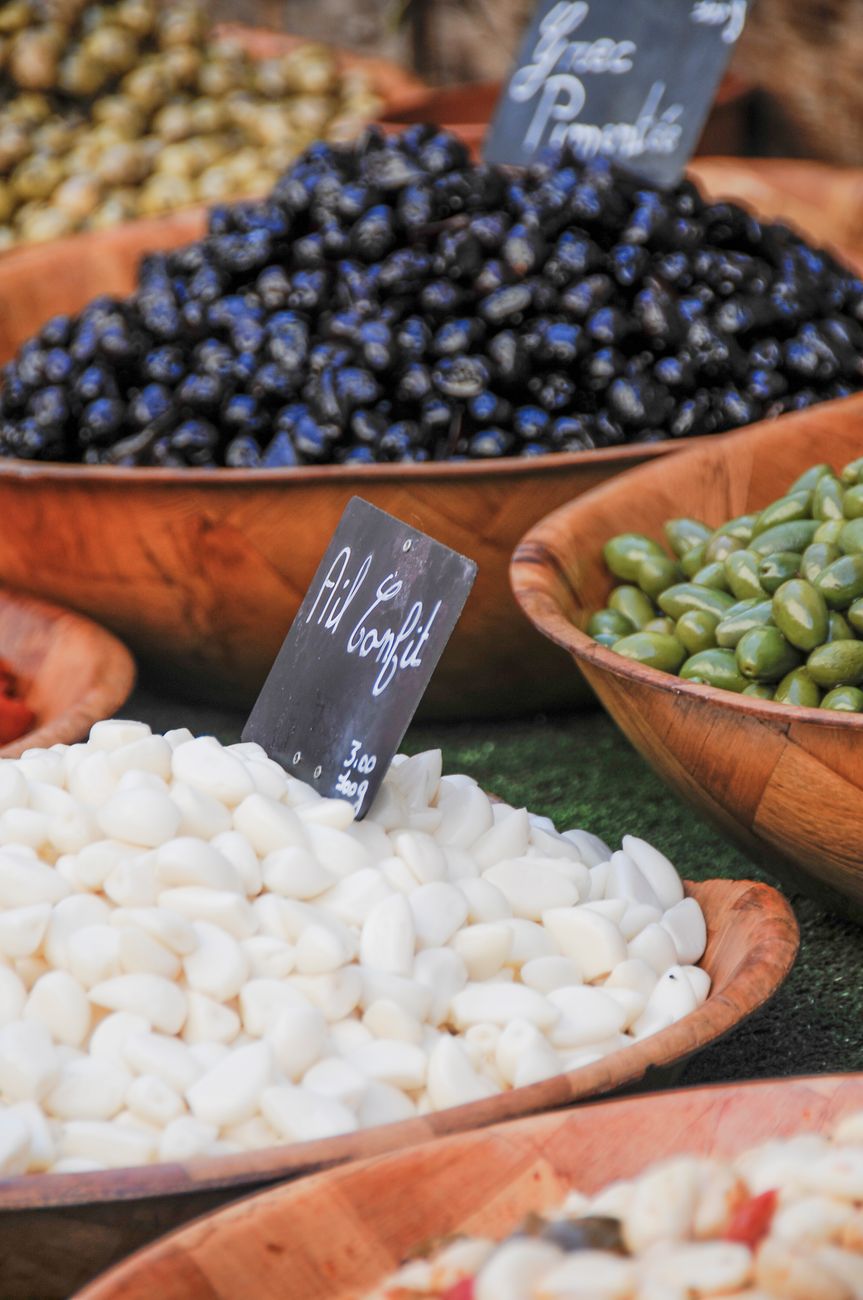
Before the Mediterranean sun warms the limestone facades of Apt and Saint-Rémy, the village square vibrates with the unpacking of canvas awnings and wicker baskets.
The Choreography of the Morning Square
The weekly market in southern France is neither a novelty nor a staged performance for sightseers. It is the vital economic and social heart of provincial existence. Smallholders, beekeepers, goat cheese farmers, and bakers gather under the dappled shade of plane trees to exchange news and lay out seasonal bounty.
Here, transactions are accompanied by spirited discourse: which olive harvest produced the peppery green oil, the temperament of this autumn's truffle season, and whose sourdough starter has survived four generations.
Terroir You Can Taste
Walking between stalls offers an education in microclimates. One encounters tiny goat cheeses (Pélardon) wrapped in chestnut leaves, pyramid mounds of sea salt from the Camargue marshes, and fragrant bouquets of wild savory, fennel, and rosemary picked along limestone ravines just the afternoon before.
Eating here requires no fancy table setting; a fresh baguette torn by hand, a ripe tomato glistening with oil, and a glass of chilled pale rosé eaten on a sun-warmed stone wall rivals any Michelin-starred dining room.
Preserving the Slow Table
In a world of vacuum-sealed supermarket packaging and synthetic convenience, the Provençal market remains a sanctuary of tactile knowledge. It teaches us to honor the rhythm of the soil, the seasons of rain, and the human hands responsible for cultivating sustenance.
As travelers, our duty is to slow down, taste carefully, and support the cultivators who keep these ancient foodways alive.